How to Add Funds to Your 99exch Account: A Complete Guide for Traders
Introduction
In the fast‑moving world of cryptocurrency and digital asset trading, having instant access to a well‑funded account can be the difference between capitalising on a breakout and watching an opportunity slip away. 99exch, a rapidly growing exchange platform, offers a user‑friendly interface, a broad selection of assets, and competitive fees. However, before you can start trading, you must first ensure that your account holds the necessary capital. This article walks you through everything you need to know about adding funds to your 99exch account—from understanding the available deposit methods to safeguarding your transactions and troubleshooting common hiccups.
Understanding the 99exch Ecosystem
Before diving into the mechanics of funding, it’s worthwhile to grasp the broader context of the platform. 99exch positions itself as a full‑service exchange that caters to both retail and institutional investors. The platform supports spot trading, futures contracts, and a suite of staking options. Its architecture is built on a layered security model, incorporating cold‑wallet storage, two‑factor authentication (2FA), and real‑time monitoring. As a result, traders can enjoy a blend of accessibility and protection that rivals many established global exchanges.
Why Adding Funds Is a Critical First Step
Funding is not merely a procedural requirement; it underpins your entire trading strategy. A well‑funded account enables you to diversify across multiple assets, place larger position sizes, and implement risk‑management tools such as stop‑loss orders. Moreover, having a reliable funding pipeline ensures you can react quickly to market volatility, an essential capability in the cryptocurrency space where price swings can occur within seconds.
Preparing to Add Funds
Before you begin the deposit process, there are a few preparatory actions you should take to guarantee a seamless experience:
- Verify Your Identity: 99exch adheres to KYC (Know Your Customer) regulations. Ensure your profile is fully verified; otherwise, deposit limits may be imposed or your transaction could be delayed.
- Enable Two‑Factor Authentication: Activating 2FA adds an extra layer of security to your login and transaction approvals.
- Familiarise Yourself with the Platform: If you are new, consider exploring the 99exch official site, reading the help centre articles, and watching platform tutorials.
Step‑by‑Step Guide to Adding Funds
The following procedure outlines how to deposit both fiat currency and cryptocurrencies into your exchange wallet. The steps are presented in a logical order, but you can adapt them based on your preferred funding method.
1. Log In to Your Account
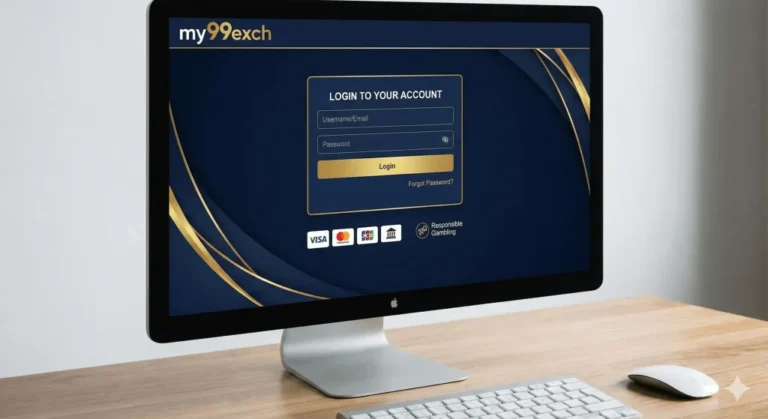
Navigate to the 99exch official login page and enter your credentials. If you have not yet created an account, you can do so by visiting the 99exch official register page. Once logged in, you will land on the dashboard, where you can see your current balance, recent activity, and a navigation menu.
2. Access the Deposit Section
From the dashboard, locate the “Wallet” or “Funds” tab in the top navigation bar. Click on it, and then select “Deposit.” The platform will present you with a list of supported assets, split into fiat (e.g., INR, USD) and cryptocurrencies (e.g., Bitcoin, Ethereum, USDT).
3. Choose Your Desired Currency
Pick the currency you intend to deposit. For fiat deposits, you will generally see options such as bank transfer (NEFT/RTGS/IMPS), UPI, or debit/credit card. For crypto deposits, you will be shown a unique wallet address for the selected token, along with a QR code for convenient scanning.
4. Initiate the Transfer
For Fiat: Follow the on‑screen instructions to generate a payment reference number. Provide this reference to your bank or payment gateway when making the transfer. Most Indian banks process NEFT/RTGS transfers within 15‑30 minutes, while UPI is instant.
For Cryptocurrency: Copy the wallet address exactly as shown, or scan the QR code with your external wallet app. Initiate the transfer from your external wallet, double‑checking the network (e.g., ERC‑20 for USDT) to avoid loss of funds.
5. Confirm the Deposit
After you have sent the funds, the exchange will display a pending status. Fiat deposits typically appear in your account within 1‑2 business days, depending on bank processing times. Crypto deposits are credited once the required number of network confirmations are recorded (usually 3‑6 confirmations for most tokens). You will receive an email notification once the funds are fully credited.
Supported Payment Methods and Their Characteristics
Choosing the right payment method depends on your priorities—speed, cost, or convenience. Below is a concise overview of the most popular options on 99exch:
Bank Transfer (NEFT/RTGS/IMPS)
These are the traditional Indian banking channels. NEFT is suitable for amounts up to ₹2 lakh and typically settles within a few hours. RTGS handles larger sums (above ₹2 lakh) with near‑real‑time settlement. IMPS offers 24/7 instant transfers, albeit with a slightly higher transaction fee.
Unified Payments Interface (UPI)
UPI has become the preferred method for many retail traders due to its instant settlement and low fees. You can use any UPI‑enabled app (e.g., Google Pay, PhonePe). The platform generates a virtual address (e.g., 99exch@upi) that you can copy directly into your app.
Debit/Credit Card
For users who value speed over cost, card deposits are credited instantly. However, they attract a higher fee (typically 2‑3% of the transaction amount). Note that credit‑card deposits may be subject to additional verification steps to comply with anti‑money‑laundering (AML) regulations.
Cryptocurrency Transfers
Depositing crypto is straightforward. The exchange supports a wide range of tokens, but the most common are Bitcoin (BTC), Ethereum (ETH), and Tether (USDT). Always verify the network (e.g., BEP‑20 for USDT) before sending, as sending on the wrong network can result in permanent loss.
Security Considerations When Adding Funds
Security is paramount when moving money in and out of an exchange. Below are best‑practice measures to minimise risk:
- Double‑Check Addresses: For crypto deposits, paste the address into a separate document before confirming the transfer. Use the QR code whenever possible.
- Use Strong Passwords and 2FA: A robust, unique password combined with authenticator‑app based 2FA dramatically reduces the chance of unauthorized access.
- Whitelist Withdrawal Addresses: If you plan to withdraw funds to a particular wallet, add it to the whitelist. This prevents withdrawals to unapproved addresses even if your account is compromised.
- Monitor Email Alerts: Enable real‑time email or SMS alerts for deposit activity. Prompt notifications help you identify any unexpected transactions quickly.
Common Issues and How to Troubleshoot Them
Even with careful preparation, you may encounter hiccups. Here are the most frequently reported problems and their resolutions:
Deposit Not Showing Up
For fiat deposits, verify that you entered the correct reference number and that the bank processed the transaction successfully. In the case of crypto, check the blockchain explorer for the transaction hash to confirm that the required confirmations have been reached. If everything appears correct, contact 99exch support with your transaction ID.
Incorrect Network Selection
Sending a token on an unsupported network results in a failed or lost transaction. Always cross‑verify the network listed on the deposit page with the network you are using in your external wallet. If a mistake occurs, reach out to the support team immediately; recovery is sometimes possible if the funds have not been swept into a cold wallet.
Exceeded Deposit Limits
Newly verified accounts often have lower daily limits. To increase these, submit additional documentation (e.g., proof of income, address verification) through the KYC portal. Once approved, your limit will be raised automatically.
Best Practices for Managing Your Exchange Balance
Effective balance management can improve both your trading performance and security posture:
- Keep Only What You Trade: Maintain a modest amount of capital on the exchange for active positions, while storing the bulk of your assets in a hardware wallet or cold storage.
- Regularly Reconcile: At the end of each week, compare your on‑exchange balances with your personal accounting records to catch any discrepancies early.
- Utilise Staking Wisely: If you plan to stake assets on 99exch, ensure you understand the lock‑up periods and any associated risks.
- Set Alerts for Large Movements: Configure threshold alerts for deposits or withdrawals above a certain amount, adding an extra layer of monitoring.
Conclusion
Adding funds to your 99exch account is a straightforward yet essential process that empowers you to engage fully with the platform’s trading opportunities. By following the step‑by‑step guide, selecting the appropriate payment method, and adhering to security best practices, you can ensure that your capital is both readily available and protected. Whether you are a seasoned trader looking to scale up your position sizes or a newcomer eager to explore the crypto market, a well‑funded account is the foundation of a successful trading journey. Remember to keep your account verified, enable 2FA, and stay vigilant for any irregularities. With these habits in place, you’ll be positioned to maximise your trading potential on 99exch.