99Exch vs Fairplay: Complete Comparison Guide 2026 – Features, Fees, Security & User Experience
Choosing the right trading platform is a critical decision for investors, day‑traders, and institutions alike. With an ever‑growing number of brokers entering the market, two names have repeatedly surfaced in 2026: 99Exch and Fairplay. Both claim to offer cutting‑edge technology, competitive pricing, and robust security, yet they differ markedly in execution, product breadth, and user experience. This guide provides a systematic, side‑by‑side analysis that helps you understand each platform’s strengths, weaknesses, and suitability for various trading strategies.
Platform Overview
99Exch – Core Features
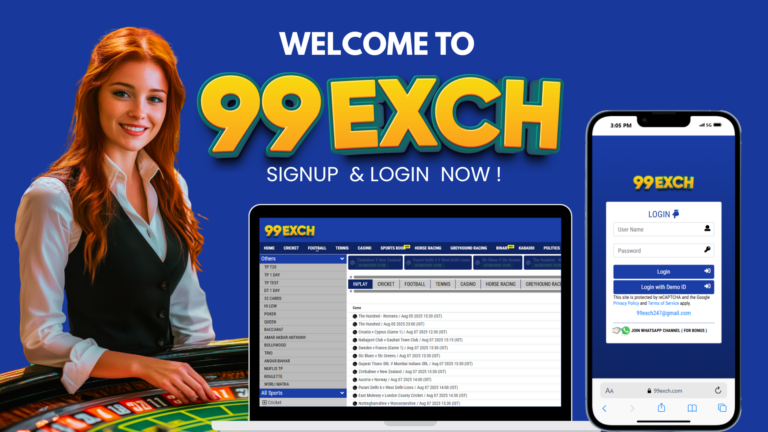
99Exch entered the market in 2020 and has quickly positioned itself as a tech‑focused brokerage. The platform is built on a proprietary cloud‑native architecture that promises sub‑millisecond latency, algorithmic‑friendly APIs, and real‑time risk management tools. Its flagship offering includes a customizable dashboard, advanced charting with over 150 technical indicators, and a suite of automated strategy templates. The broker also boasts a tiered loyalty program that rewards high‑volume traders with reduced spreads and priority support. For those who prefer direct access, the 99exch login portal provides a clean, two‑factor‑authenticated gateway to all services.
Fairplay – Core Features
Fairplay, launched in 2018, emphasizes simplicity and regulatory transparency. The platform’s hallmark is its “Fair Trade Engine,” a proprietary matching algorithm that claims to eliminate price manipulation by enforcing strict FIFO (first‑in‑first‑out) order handling. Fairplay offers a unified interface for equities, derivatives, and a growing list of crypto assets, all bundled under a single account. Its educational hub, “Fair Academy,” delivers webinars, interactive tutorials, and market insights free of charge. In addition, Fairplay’s social trading layer allows users to copy top‑performing strategies with a single click, making it attractive to novice traders seeking community‑driven insights.
User Experience & Interface
Navigation and Design
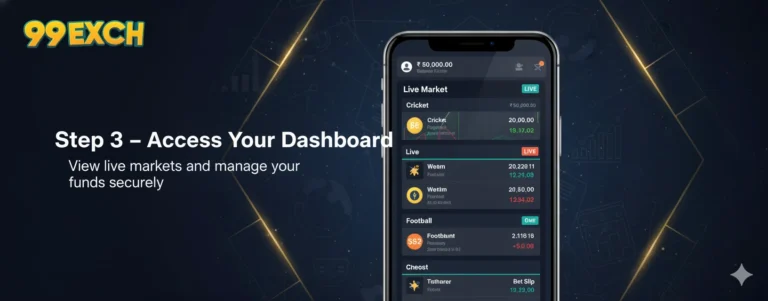
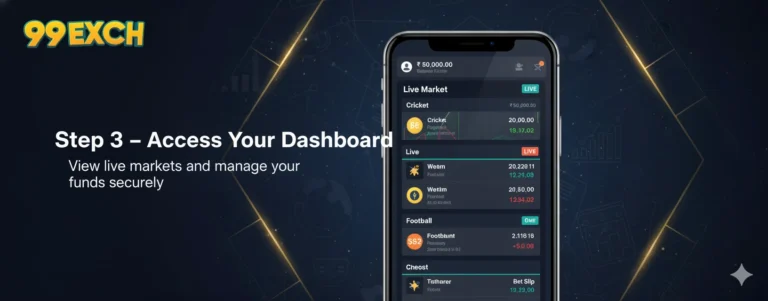
Both platforms employ responsive design, but their philosophies diverge. 99Exch adopts a modular layout, allowing traders to drag‑and‑drop widgets, create multiple workspaces, and save custom configurations. This flexibility is ideal for power users who need to monitor several markets simultaneously. Fairplay, conversely, opts for a streamlined, minimalist approach. Its dashboard presents a single‑pane view with contextual menus, reducing visual clutter for beginners. Navigation speed is comparable, yet 99Exch’s extensive customization can introduce a slight learning curve, while Fairplay’s simplicity translates to faster onboarding.
Mobile Accessibility
Mobile trading is non‑negotiable in 2026, and both brokers have invested heavily in their apps. 99Exch’s mobile solution mirrors the desktop experience, offering full‑featured charting, order types, and API access for algorithmic traders on the go. The 99exch app is built with native iOS and Android code, ensuring low latency and push‑notification‑driven trade alerts. Fairplay’s mobile app focuses on ease of use: one‑tap trade execution, simplified charts, and integrated social trading feeds. While Fairplay’s app lacks some advanced order types, it compensates with an intuitive UI that appeals to less tech‑savvy users.
Trading Instruments & Markets
Asset Classes Available
When it comes to product breadth, 99Exch leads with over 25,000 tradable instruments across equities, futures, options, forex, commodities, and a dedicated crypto‑exchange module. The platform also supports fractional shares, enabling investors to allocate capital precisely. Fairplay offers a respectable selection—approximately 12,000 instruments—covering major global indices, a curated list of crypto pairs, and an expanding suite of ESG‑focused ETFs. However, its commodity offering is limited to precious metals and energy futures.
Liquidity and Execution
Liquidity is a decisive factor for high‑frequency and large‑volume traders. 99Exch routes orders through multiple deep liquidity pools, including direct connections to primary market makers and ECNs, achieving average execution times of 0.7 ms. Fairplay’s “Fair Trade Engine” aggregates liquidity from a smaller set of partnered brokers, resulting in slightly higher average slippage (≈0.2 pips on major pairs). For retail traders focused on swing or position trading, Fairplay’s execution is more than adequate, but algorithmic traders may prefer the ultra‑low latency environment that 99Exch provides.
Fees and Pricing Structure
Commission Models
Both brokers market themselves as “zero‑commission” for stock trades, yet the underlying fee structures differ. 99Exch imposes a variable spread on forex and CFD products, typically ranging from 0.1 to 0.3 pips, with a modest overnight financing charge of 2.5 % APR on leveraged positions. Fairplay charges a fixed spread of 0.2 pips on the same assets but adds a flat $1.99 per‑trade commission on equities, which can add up for high‑frequency traders. Both platforms waive inactivity fees, but 99Exch requires a minimum monthly trade volume of $5,000 to retain fee‑waiver status, while Fairplay has no such threshold.
Hidden Costs and Spreads
Hidden costs often emerge through data fees, withdrawal charges, or exchange fees passed to the client. 99Exch provides real‑time market data at no extra cost for all account tiers, but charges a $10 monthly fee for premium news feeds. Fairplay, in contrast, includes basic market data for free but levies a $5 per‑month fee for advanced Level II order‑book visibility. Withdrawal fees are comparable—$2 per transaction for bank transfers—though Fairplay offers free crypto withdrawals above $1,000, whereas 99Exch applies a nominal 0.001 % fee on crypto transfers.
Security, Regulation & Compliance
Licensing and Oversight
Regulatory posture is paramount for investor confidence. 99Exch is regulated by the Financial Conduct Authority (FCA) in the United Kingdom and holds a MiFID II license for EU operations. Additionally, it maintains a subsidiary under the Securities and Exchange Commission (SEC) for U.S. clients, ensuring cross‑border compliance. Fairplay is licensed by the Australian Securities and Investments Commission (ASIC) and the Monetary Authority of Singapore (MAS), providing a strong regulatory framework in the Asia‑Pacific region. Both brokers are members of the Investor Compensation Fund, offering limited protection in the event of insolvency.
Data Protection Measures
Cybersecurity is a non‑negotiable aspect of modern brokerage services. 99Exch employs end‑to‑end AES‑256 encryption for all data in transit, combined with hardware security modules (HSM) for key management. The platform also offers biometric login options on its mobile app. Fairplay utilizes SSL‑TLS 1.3 encryption and offers optional two‑factor authentication via authenticator apps. While both meet industry standards, 99Exch’s additional HSM layer presents a marginally higher security guarantee, particularly for institutional accounts handling large volumes of capital.
Customer Support & Education
Responsive support can differentiate a broker during market turbulence. 99Exch provides 24/7 live chat, phone, and email support, with a dedicated account manager for premium clients. Its knowledge base features over 1,200 articles, video tutorials, and API documentation. Fairplay’s support is also available 24/7 but primarily through live chat and email; phone support is limited to business hours. The “Fair Academy” offers a comprehensive curriculum, ranging from beginner basics to advanced risk‑management workshops, and hosts weekly live Q&A sessions with market analysts. While 99Exch excels in technical assistance, Fairplay shines in educational content and community engagement.
Pros and Cons Summary
- 99Exch – Pros: Ultra‑low latency, extensive instrument range, advanced customization, robust security infrastructure, strong global regulatory coverage.
- 99Exch – Cons: Higher learning curve, minimum trade volume for fee waivers, additional fees for premium data.
- Fairplay – Pros: User‑friendly interface, strong educational resources, transparent fixed spreads, no minimum volume requirements, competitive crypto withdrawal policy.
- Fairplay – Cons: Slightly higher latency, limited commodity selection, additional fees for advanced market data.
Conclusion
Both 99Exch and Fairplay have carved distinct niches in the crowded brokerage landscape of 2026. If you are a professional or algorithmic trader who demands lightning‑fast execution, deep liquidity, and a highly customizable workspace, 99Exch stands out as the superior choice. Conversely, if you prioritize ease of use, comprehensive educational material, and a straightforward pricing model without volume constraints, Fairplay offers a compelling package. Ultimately, the right platform aligns with your trading style, asset preferences, and risk tolerance. Conduct a trial on each platform—most brokers provide demo accounts—to experience the interface firsthand before committing capital.