99Exch vs Tiger Exchange – Complete Comparison Guide 2026
Introduction
The cryptocurrency market continues its rapid expansion in 2026, and traders are faced with a growing number of platforms vying for their business. Two of the most talked‑about exchanges are 99Exch and Tiger Exchange. Both promise competitive fees, advanced trading tools, and strong security, yet they differ significantly in licensing, user interface, mobile accessibility, and customer support. This guide provides a side‑by‑side comparison of the two platforms, covering everything from registration to advanced order types, so you can make an informed decision based on your trading style and risk tolerance.
Company Background and Licensing
99Exch was launched in 2022 with a focus on the Asian market, obtaining a license from the Financial Services Authority of India (FSAI). The exchange operates under a strict regulatory framework that requires periodic audits and a transparent KYC/AML process. Tiger Exchange, on the other hand, entered the market in 2023 and is registered in the Isle of Man under the Financial Services Act. While its licensing is recognized across the EU, it does not currently hold a local license in India or the United States, which may affect accessibility for users in those jurisdictions.
Platform Interface and Usability
Both exchanges offer web‑based dashboards with customizable layouts. 99Exch’s interface leans toward a sleek, minimalist design that highlights real‑time price charts and a quick‑trade widget. Tiger Exchange provides a more feature‑dense desktop view, offering multiple tabs for Spot, Futures, and Earn products in a single window. For beginners, 99Exch’s simplified layout can reduce the learning curve, whereas seasoned traders may appreciate Tiger Exchange’s deeper menu hierarchy and built‑in analytical widgets.
Account Creation and Verification
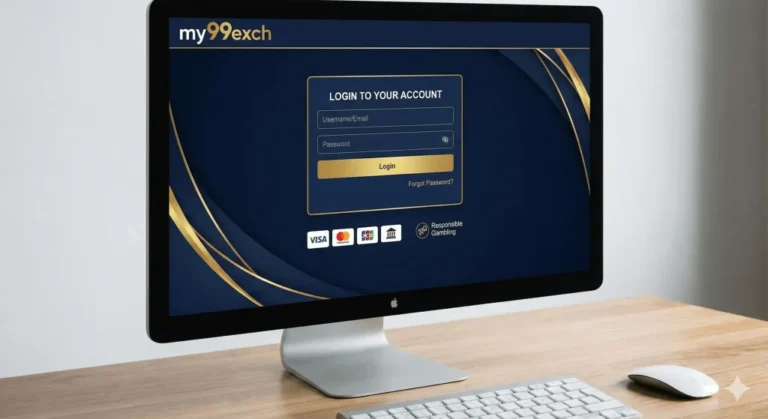
The onboarding process for 99Exch begins with a straightforward 99exch login portal. Users submit a photo ID, proof of address, and a selfie for facial verification. The whole process typically takes under 30 minutes. Tiger Exchange requires a similar KYC package but adds a video verification step, extending the time to approximately 45 minutes. Both platforms store documentation in encrypted vaults, yet Tiger’s additional video check may be perceived as intrusive by privacy‑concerned users.
Deposit and Withdrawal Options
When it comes to funding accounts, 99Exch supports Indian Rupee (INR) bank transfers via NEFT/IMPS, UPI, as well as major fiat gateways such as Visa and Mastercard. Cryptocurrency deposits are accepted on 18 chain networks, including Bitcoin, Ethereum, and Polygon. Tiger Exchange emphasizes global fiat gateways: SEPA for Euro users, ACH for US customers, and a limited set of crypto deposit chains (BTC, ETH, BSC). Withdrawal speeds on 99Exch average 5‑10 minutes for fiat and 2‑5 minutes for crypto, whereas Tiger Exchange’s fiat withdrawals can take up to 24 hours due to additional compliance checks.
Trading Fees and Cost Structure
Fee structures are a decisive factor for active traders. 99Exch employs a maker‑taker model with a flat 0.08% maker fee and 0.12% taker fee, regardless of trading volume. There are no hidden charges for deposits, and withdrawal fees align with network fees. Tiger Exchange offers a tiered discount: 0.05% maker and 0.09% taker for volumes above $1 million, but a higher base fee of 0.10%/0.15% for smaller accounts. Additionally, Tiger imposes a $5 flat fee on fiat withdrawals, whereas 99Exch passes only the blockchain transaction fee to the user.
Security Measures
Both platforms prioritize security, but they implement different layers of protection. 99Exch uses cold storage for 95% of user assets, two‑factor authentication (2FA) via Google Authenticator, and IP whitelist options. Its security audits are conducted quarterly by a reputable Indian cybersecurity firm. Tiger Exchange employs a multi‑signature hot wallet system, device‑binding for 2FA, and a proprietary AI‑driven fraud detection engine that monitors transaction patterns in real time. While both approaches are robust, 99Exch’s higher cold‑storage ratio may appeal to risk‑averse users.
Mobile Application Experience
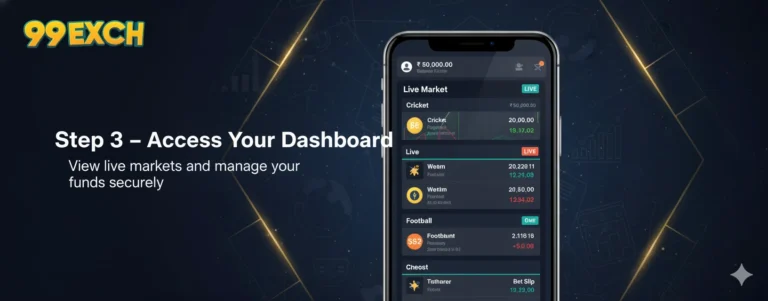
Mobile trading is essential for on‑the‑go investors. 99Exch offers a native mobile app for iOS and Android that mirrors the web platform’s simplicity. The app includes push notifications for price alerts, biometric login, and a streamlined order entry screen. You can download the official version via the 99exch app link. Tiger Exchange’s mobile offering is richer in features, providing integrated futures charts, a built‑in news feed, and a dark‑mode interface. However, users have reported occasional latency spikes during high‑volume market periods, which could affect execution speed.
Range of Trading Products
Beyond spot trading, both exchanges have expanded their product suites. 99Exch presently offers Spot, Perpetual Futures on BTC, ETH, and SOL, as well as a “Staking Hub” where users can earn passive yields on supported assets. Tiger Exchange goes further with Options trading, Synthetic assets, and a “Yield Farming” marketplace that aggregates DeFi protocols. For a trader interested in diversified strategies, Tiger Exchange delivers a broader catalogue, while 99Exch focuses on core products with tighter risk controls.
Customer Support and Community
Effective support can differentiate a good exchange from a great one. 99Exch provides 24/7 live chat, email ticketing, and a dedicated phone line for premium users. Response times average under 2 minutes for chat queries. Their community forums are moderated in multiple Indian languages, fostering regional engagement. Tiger Exchange offers 24/7 email and chat support, but live phone assistance is limited to business hours in the Isle of Man. Community outreach is primarily via Discord and Telegram, with a strong presence among European traders.
Regulatory Compliance and Taxes
Compliance with tax reporting varies by jurisdiction. 99Exch automatically generates monthly transaction statements that conform to Indian tax filing requirements, simplifying GST and capital gains calculations. Tiger Exchange provides CSV exports compatible with major tax software worldwide but does not produce jurisdiction‑specific tax reports, placing the onus on users to interpret their obligations. For traders operating primarily in India, 99Exch’s built‑in tax support is a considerable advantage.
Pros and Cons Summary
99Exch – Pros: Strong local licensing, fast fiat withdrawals, high cold‑storage ratio, simple UI, Indian‑focused tax tools, low flat fees.
99Exch – Cons: Limited advanced products, smaller global fiat network, tiered fee discounts unavailable for high‑volume traders.
Tiger Exchange – Pros: Wide range of products (options, synthetic assets), tiered fee discounts for high volume, extensive global fiat gateways, richer mobile features.
Tiger Exchange – Cons: No local Indian license, longer fiat withdrawal times, higher base fees for small traders, occasional mobile latency.
Final Verdict
Choosing between 99Exch and Tiger Exchange hinges on your primary trading needs and geographic focus. If you are an Indian resident or a trader who values fast fiat deposits, low flat fees, and a straightforward platform, 99Exch stands out as the more suitable option. Conversely, if you require a broader set of derivatives, want to benefit from volume‑based fee reductions, and trade across multiple fiat corridors, Tiger Exchange offers a more expansive ecosystem. Both exchanges maintain high security standards and responsive support, ensuring a safe environment for crypto enthusiasts in 2026.
Key Takeaways
- Licensing: 99Exch – Indian regulator; Tiger – Isle of Man.
- Fees: 99Exch – flat low rates; Tiger – tiered discounts.
- Products: 99Exch – Spot, Perpetual, Staking; Tiger – Spot, Futures, Options, Synthetic, Yield Farming.
- Mobile: 99Exch – simple, fast; Tiger – feature‑rich, occasional latency.
- Support: 99Exch – 24/7 chat + phone; Tiger – 24/7 chat, limited phone.
Regardless of your choice, remember to conduct personal due diligence, consider your risk tolerance, and stay updated on regulatory changes that may affect either platform in the fast‑evolving crypto landscape.