99Exch vs 11xplay – Complete Comparison Guide 2026: Features, Fees, Security & More
Introduction
The online trading landscape in 2026 is crowded with platforms promising low fees, fast execution, and a seamless user experience. Two names that frequently appear on the top‑ranking lists are 99exchange and 11xplay. Both cater to a mix of retail and professional traders, yet they differ markedly in product offering, regulatory environment, and technological edge. This guide delivers an exhaustive side‑by‑side comparison, helping you determine which platform aligns with your trading style, risk tolerance, and long‑term goals.
Company Background and Regulatory Status
99Exch Overview
Founded in 2018, 99Exch has grown from a regional brokerage to a pan‑India digital exchange. The company operates under a license from the Securities and Exchange Board of India (SEBI) and complies with the latest Know‑Your‑Customer (KYC) and Anti‑Money‑Laundering (AML) directives. Its corporate headquarters are in Mumbai, and it maintains a network of regional offices to support on‑ground verification when required.
11xplay Overview
11xplay entered the market in 2020 as a fintech startup focused on cryptocurrency and derivative trading. It is registered in the Isle of Man and holds a virtual asset service provider (VASP) license from the Financial Conduct Authority (FCA) in the United Kingdom. While the platform does not hold a traditional securities broker licence in India, it offers a range of crypto‑linked products that attract a younger demographic.
Account Creation, Verification and Onboarding
Both platforms have streamlined onboarding, but the steps and required documentation differ.
99Exch requires users to create a 99Exch ID, upload a PAN card, Aadhaar, and a recent utility bill. The verification process typically completes within minutes, thanks to AI‑driven document validation. Once approved, users receive a unique client code that unlocks full trading privileges.
In contrast, 11xplay asks for a passport, proof of residence, and a selfie for facial recognition. The verification can take up to 24 hours, mainly because the platform cross‑checks each applicant against global sanction lists. Both services employ two‑factor authentication (2FA) as a default security layer.
Platform Interfaces: Web, Desktop, and Mobile
Web and Desktop Experience
99Exch’s web portal boasts a modular dashboard where traders can drag and drop widgets such as order books, portfolio heat maps, and news tickers. The platform uses HTML5 and WebGL, delivering near‑native performance on modern browsers. For desktop power users, a downloadable client runs on Windows and macOS, featuring advanced charting tools from TradingView integrated directly into the order window.
11xplay’s web interface is sleek and minimalist, optimized for rapid trade entry. It provides a single‑page layout with collapsible sections for crypto spot, futures, and options. While the design is visually appealing, it lacks some of the deeper analytical tools found on 99Exch, relying instead on third‑party chart providers that open in separate tabs.
Mobile Applications
The 99Exch App is available for Android and iOS. It mirrors the desktop experience, offering real‑time quotes, push notifications for price alerts, and a biometric login option (fingerprint or Face ID). The app’s order execution engine benefits from low latency connections to SEBI‑approved data centers located in Hyderabad and Chennai.
11xplay’s mobile app emphasizes speed and simplicity. It supports instant order placement with a single tap, and it integrates a built‑in crypto wallet that allows users to transfer tokens without leaving the app. However, the app does not currently support biometric login, relying on password and OTP verification for each session.
Product Suite and Market Coverage
Equities, Derivatives, and Commodities
99Exch offers a comprehensive suite that includes Indian equities, futures, options, currency pairs (USD/INR, EUR/INR), and commodity contracts on gold, silver, crude oil, and natural gas. The platform also provides access to exchange‑traded funds (ETFs) and mutual fund SIPs through an integrated wealth management portal.
11xplay focuses primarily on cryptocurrency spot trading, perpetual futures, and tokenized derivatives that mimic traditional market movements (e.g., tokenized S&P‑500). It recently added a limited set of Indian equity CFDs, but these are not regulated under SEBI, which may affect risk perception for some traders.
Leverage and Margin
99Exch adheres to SEBI’s leverage caps: up to 20× for intraday equity, 10× for futures, and 5× for commodity trading. Margin is calculated using a cross‑margin system that pools collateral across positions, reducing the likelihood of margin calls during volatile sessions.
11xplay offers higher leverage on crypto contracts, ranging from 25× to 100×, depending on the asset and market liquidity. While this can amplify gains, the platform also enforces automatic liquidation thresholds to protect against catastrophic losses.
Fee Structure and Cost Transparency
Trading Commissions
99Exch employs a tiered commission model based on monthly turnover. For retail traders with a turnover below ₹5 lakhs, the equity brokerage is ₹15 per trade (minimum ₹20). Futures and options carry a flat fee of 0.025% of the contract value, with a ₹10 minimum. Deposits and withdrawals via NEFT/IMPS are free, while RTGS incurs a nominal ₹25 charge.
11xplay’s fee schedule is simpler: a flat 0.1% maker fee and 0.2% taker fee on all crypto trades. Withdrawal fees vary by blockchain (e.g., 0.0005 BTC for Bitcoin, 0.01 ETH for Ethereum). There are no hidden charges, but the higher maker/taker spread can affect net profitability.
Hidden Costs and Miscellaneous Charges
99Exch charges a data subscription fee of ₹199 per month for premium market depth, though basic depth is free for all users. In addition, the platform levies a ₹50 inactivity fee after six months of zero trading activity.
11xplay does not impose inactivity fees, but it applies a small spread on tokenized asset pricing that can be less transparent to newcomers. Users should review the “Fee Summary” page before executing larger orders.
Liquidity and Execution Speed
Liquidity is a cornerstone of reliable trade execution. 99Exch benefits from direct connectivity to the National Stock Exchange (NSE) and Bombay Stock Exchange (BSE), ensuring sub‑millisecond order routing for Indian markets. The platform’s average fill rate for equity orders exceeds 99.8% during normal market hours.
11xplay aggregates liquidity from multiple global crypto exchanges (Binance, Coinbase, Kraken) using a smart order router. This architecture typically delivers 0.3‑second latency for major pairs but can experience higher slippage during extreme market stress, especially on low‑volume altcoins.
Security Measures and Data Protection
Authentication and Access Controls
Both platforms require 2FA, but the methods differ. 99Exch supports Google Authenticator, hardware tokens, and SMS OTPs. It also offers IP whitelisting for corporate accounts, allowing administrators to restrict login locations.
11xplay relies on email OTPs and SMS codes. The platform recently introduced a hardware security key (U2F) option for premium users, although adoption remains modest.
Encryption, Cold Storage, and Insurance
All data transmitted on 99Exch is encrypted with TLS 1.3, and the platform stores client funds in segregated accounts with the Reserve Bank of India (RBI) mandated audit trails. For equities, the settlement risk is minimal due to the clearing‑house model.
11xplay holds the majority of user crypto assets in cold storage (offline hardware wallets) with a multi‑signature scheme requiring three out of five keys to approve withdrawals. The platform also carries a $10 million insurance policy covering theft or loss of crypto assets, subject to standard exclusions.
Customer Support and Educational Resources
Support Channels
99Exch provides 24/7 support via phone, live chat, and email. Dedicated relationship managers are assigned to high‑net‑worth clients, offering personalized portfolio reviews. The average first‑response time for chat queries is under 30 seconds.
11xplay offers live chat and a ticketing system available during market hours (9 am‑6 pm GMT). Response times can extend to 2‑3 hours during peak periods, although the platform compensates with an extensive knowledge base and community forum.
Learning Materials
99Exch’s education hub features webinars, market analysis reports, and a series of “Trader’s Academy” courses ranging from beginner to advanced technical analysis. Users can also attend regional workshops conducted in major Indian cities.
11xplay maintains a curated library of video tutorials focused on crypto fundamentals, DeFi staking, and risk management. The platform’s “Crypto Academy” includes certification paths, but the depth of content is geared more toward retail crypto enthusiasts than institutional investors.
Regulatory Compliance and Legal Considerations
Operating under SEBI, 99Exch must adhere to strict capital adequacy norms, periodic reporting, and customer grievance redressal mechanisms. The platform’s audit reports are publicly accessible on its website, fostering transparency for investors.
11xplay’s VASP license subjects it to AML checks under the EU’s Fifth Anti‑Money Laundering Directive (5AMLD). However, because the platform does not currently hold a securities licence in India, Indian residents must ensure they are compliant with local tax laws when trading crypto‑linked products.
Pros and Cons Summary
99Exch – Strengths
- Regulated by SEBI, offering high trust and legal protection.
- Wide range of traditional assets: equities, derivatives, commodities.
- Robust liquidity and sub‑millisecond order execution.
- Comprehensive educational resources and dedicated support.
- Secure infrastructure with biometric login and IP whitelisting.
99Exch – Weaknesses
- Higher fee tiers for low‑volume traders compared to flat‑rate crypto platforms.
- Mobile app lacks some of the niche crypto features (e.g., built‑in wallet).
- Limited leverage on crypto or tokenized assets.
11xplay – Strengths
- Low‑fee, flat maker/taker structure ideal for high‑frequency crypto traders.
- Integrated crypto wallet and tokenized asset offerings.
- High leverage options for experienced risk‑takers.
- Insurance coverage for digital assets.
11xplay – Weaknesses
- Not SEBI‑registered, which may deter Indian equity traders.
- Limited traditional asset coverage.
- Customer support response times can be slower during peak crypto volatility.
- Higher leverage increases risk of liquidation.
How to Get Started
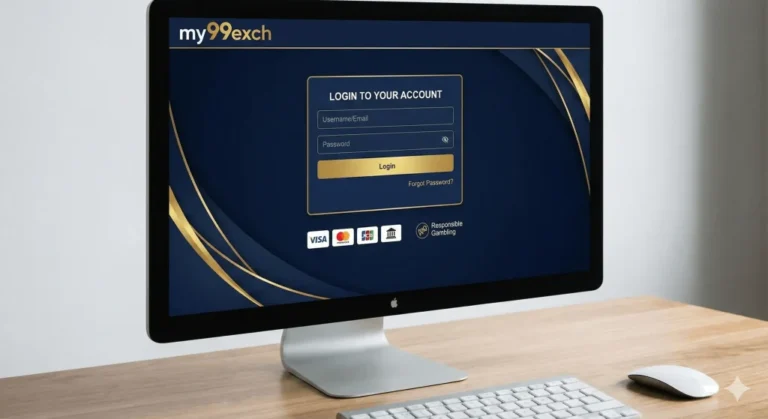
To begin trading on 99Exch, prospective users should first complete the 99Exch Login process after registering their 99Exch ID. The onboarding wizard guides you through document upload, risk profiling, and funding options. Once verified, you can download the 99Exch App for on‑the‑go trading or use the web portal for deeper analysis.
If you prefer a crypto‑centric environment, sign up on 11xplay, verify your identity, and fund the account via a supported blockchain wallet. After the initial verification, you can immediately access spot and derivatives markets; however, consider the regulatory implications if you reside in India.
Conclusion
The choice between 99Exch and 11xplay ultimately hinges on what you intend to trade and how you weigh regulatory assurance against cost efficiency. 99Exch excels in offering a regulated, diversified product suite with reliable execution and strong support, making it the go‑to platform for equity and commodity traders seeking a secure environment. Conversely, 11xplay specializes in cryptocurrency markets, providing low fees, integrated wallet functionality, and higher leverage for those comfortable navigating the volatile digital asset space.
For Indian investors whose primary focus is equities, futures, and commodities, 99Exch is the safer, more compliant option. For traders whose appetite lies in crypto arbitrage, tokenized assets, or who value a streamlined, high‑leverage experience, 11xplay presents a compelling alternative. Assess your trading objectives, risk tolerance, and compliance requirements before committing to either platform, and remember that diversification across multiple brokers can further mitigate operational risk.